Under the rail
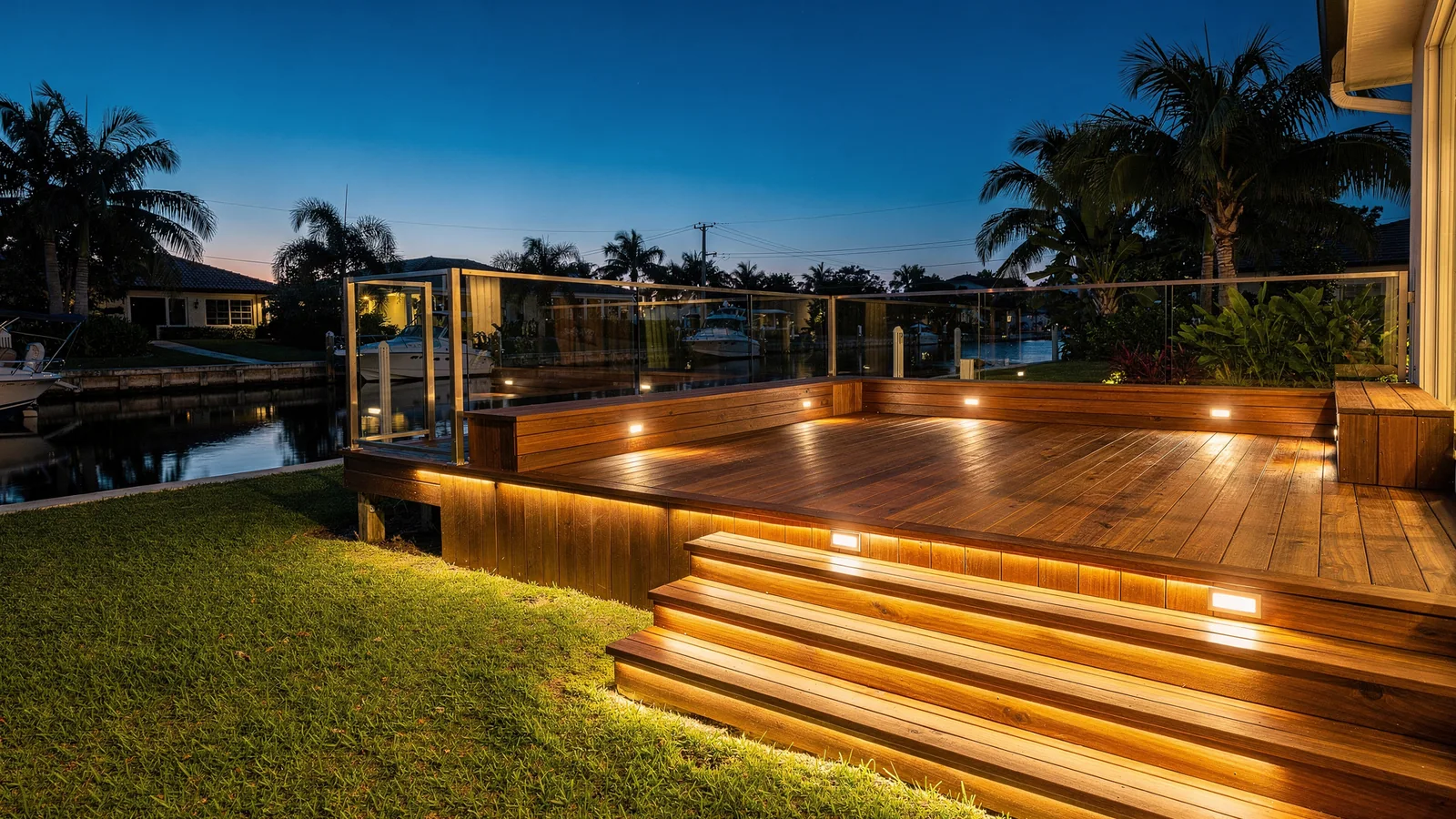
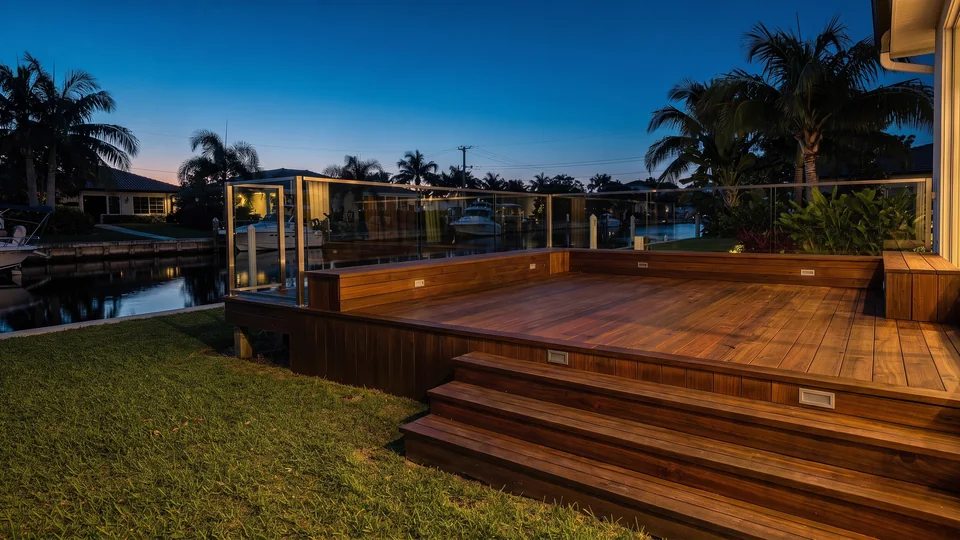
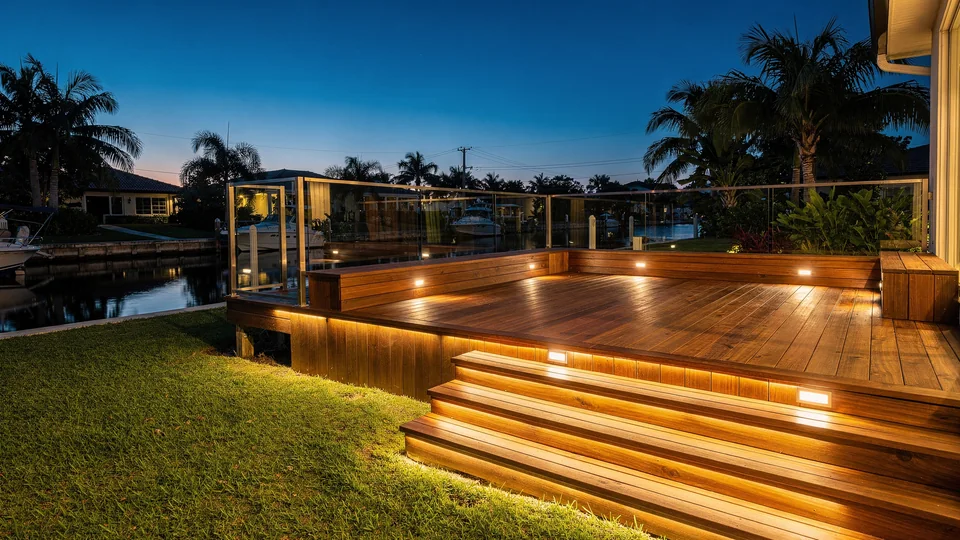
A small downlight fixed to the underside of the top rail, or to the inside face of a
post below the rail, throws a pool onto the boards at the foot of the balustrade. Spaced
along the run it marks the edge of the deck all the way round. Looking at the rail from
a chair you see a lit floor and a dark handrail, which is the right way round.
The trouble with post caps
A lit cap is a lamp on a stick. It is at standing eye height for a child and seated eye
height for an adult, it lights the top of the post and the air around it, and a row of
them forms a bright fence between you and the view. They have a place as a marker at a
gate or the head of a stair, used singly and dimmed. As the main lighting for a deck
they do the opposite of what is wanted.
Looking at the rail from a chair, you should see a lit floor and a dark handrail.
Where rail light is useful, and where it is noise
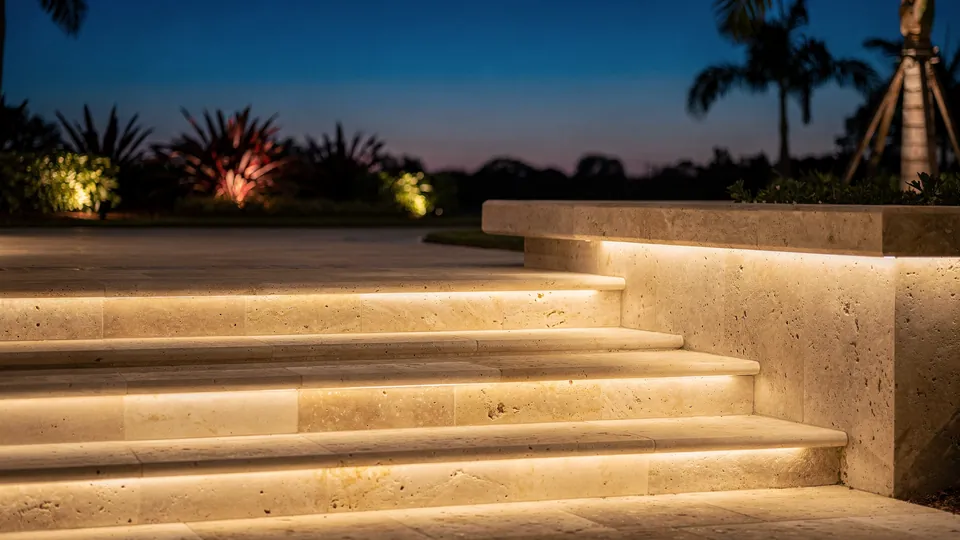
It earns its place at the edge, at a gate, at the top and bottom of a stair, and at any
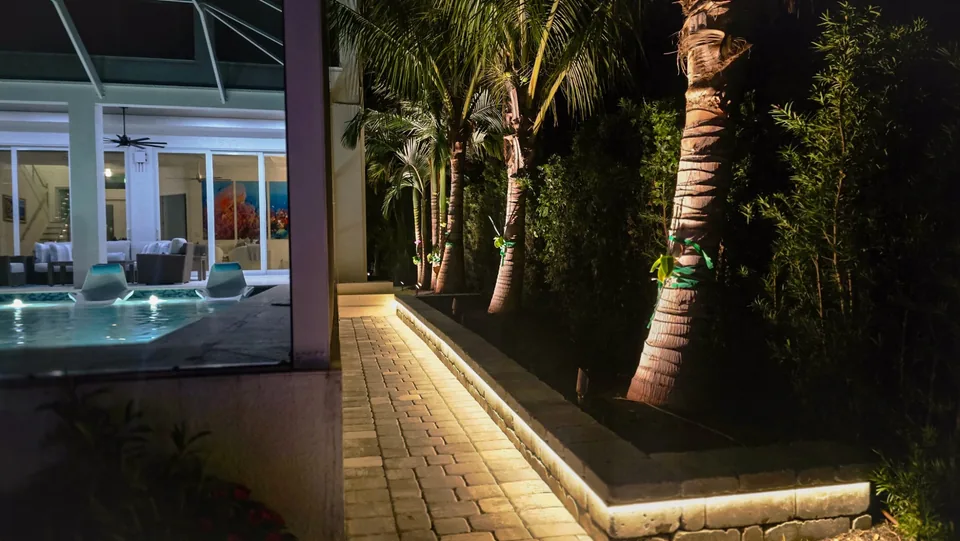
change of level. Along a rail that has a wall or a planter behind it, or where the floor
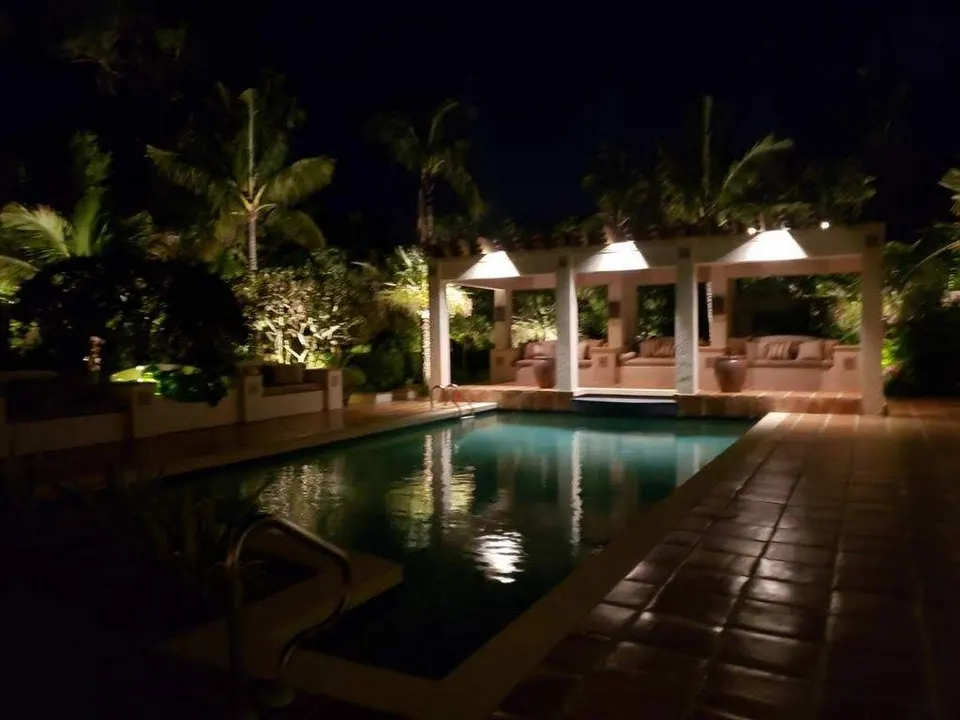
is already lit from a pavilion roof, it adds nothing. We light the stretches where
someone could walk off the deck and leave the rest dark.
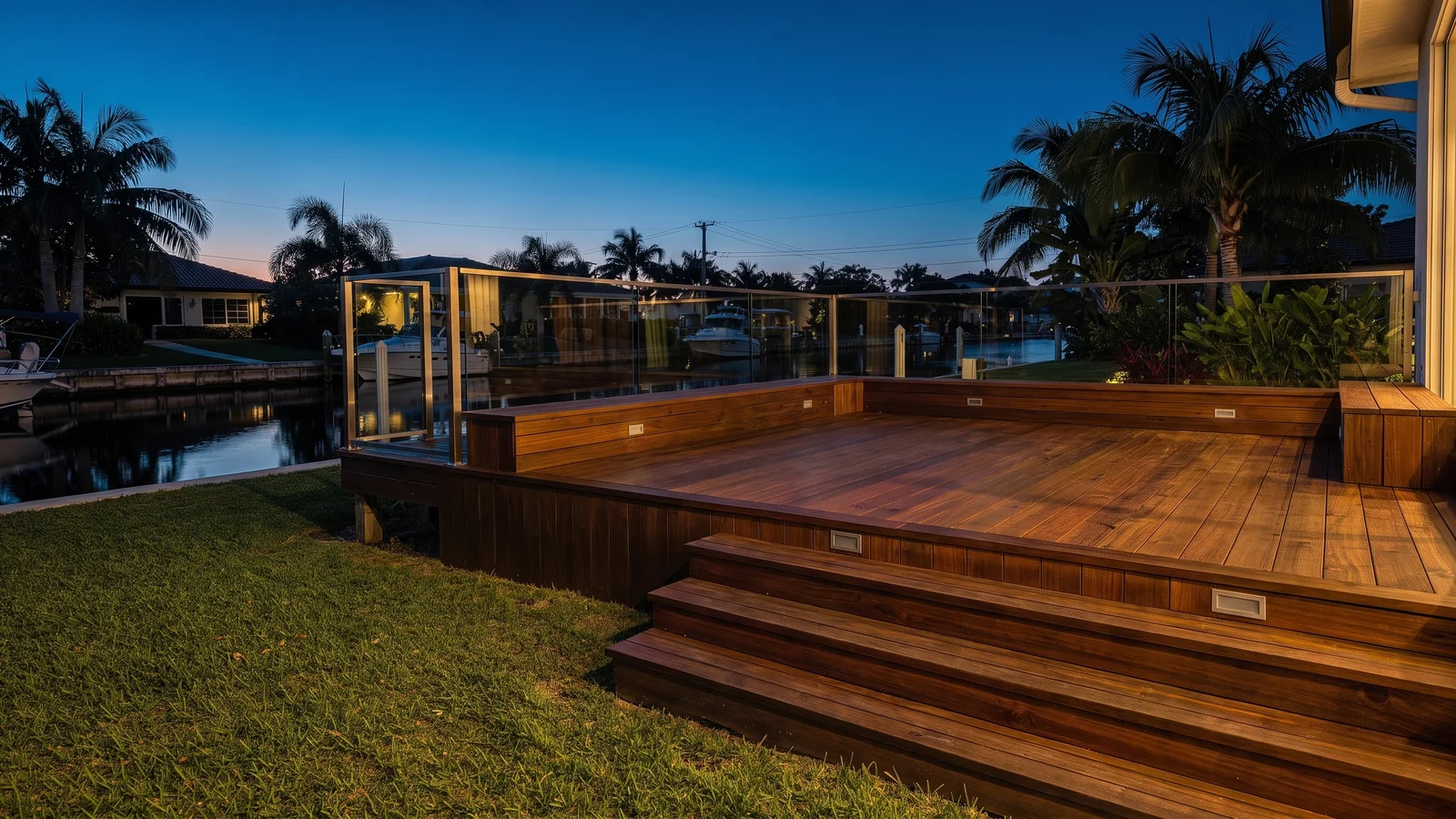
Glass and cable rails need a word. Glass reflects any source beside it, so the fixture
goes under the cap rail and is aimed away from the panel. Cable rail has nowhere to hide
a fixture, so the light comes from the posts or from the deck edge below.